
The success of any dental practice hinges on access to reliable, high-quality dental supplies and equipment. With the UK dental equipment market valued at £560.8 million in 2023 and projected to reach £825.1 million by 2030, selecting the right suppliers and products has never been more critical for practice sustainability and patient care excellence.
Whether you’re establishing a new practice, upgrading existing equipment, or simply looking to optimize your supply chain, navigating the comprehensive range of dental supplies available in the United Kingdom can feel overwhelming. From everyday essentials like examination gloves and infection control products to sophisticated imaging systems and surgical instruments, making informed purchasing decisions requires understanding both market dynamics and regulatory requirements.
This guide provides dental professionals across the UK with practical insights into leading suppliers, essential equipment categories, cost-effective purchasing strategies, and compliance requirements that ensure your practice maintains the highest standards of patient care while optimizing operational efficiency.
Leading UK Dental Supply Companies
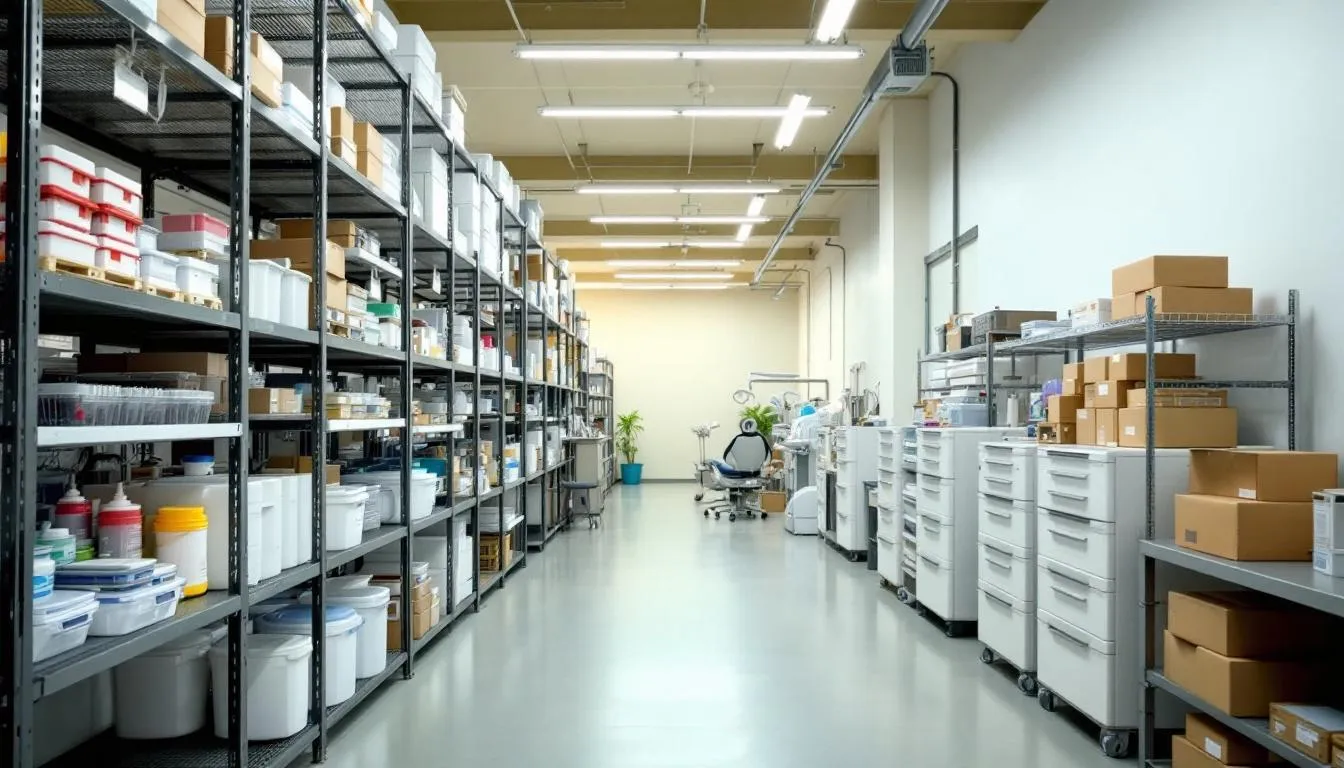
The UK dental supplies market is served by several established distributors, each offering unique advantages in terms of product range, geographic coverage, and service quality. Understanding these key players helps practices make informed decisions about their primary and secondary suppliers.
Major Established Distributors
VSDent: Specialist Supplier for UK Dental Practices
VSDent is a prominent UK-based dental supplies company known for its comprehensive range of high-quality dental equipment and consumables tailored to meet the needs of diverse dental practices. With a strong emphasis on customer service and efficient delivery, VSDent provides dental professionals with easy access to essential products, including surgical instruments, restorative materials, infection control supplies, and everyday essentials.
The company’s online platform offers streamlined ordering with features such as quick reordering and detailed product descriptions, helping practices maintain optimal stock levels with minimal effort. VSDent commitment to next day delivery ensures that dental teams across the UK can rely on timely supply, reducing downtime and supporting uninterrupted patient care.
VSDent also prides itself on partnering with leading dental brands to offer a wide selection of trusted products, supporting both general dental practitioners and specialists. Their knowledgeable customer support team provides expert advice, assisting practices in selecting the right equipment and materials to enhance clinical outcomes and operational efficiency.
DD Dental stands as one of the UK’s most established suppliers, offering an extensive comprehensive range of dental equipment and consumables. Based in Kent, the company has built its reputation on reliable service and strong relationships with leading manufacturers. Their online platform features a user-friendly view basket search function and detailed product catalogs that simplify the ordering process for busy practices.
Dental Sky has emerged as a significant player in the digital transformation of dental supply distribution. Their platform emphasizes recent searches explore functionality, allowing practitioners to quickly reorder frequently used items. The company’s focus on streamlined account management and efficient order processing has made them particularly popular among larger group practices.
Geographic Coverage and Service Areas
Most major suppliers maintain comprehensive coverage across England, Scotland, Wales, and Northern Ireland, though service levels can vary by region. London and major metropolitan areas typically receive priority treatment for next day delivery services, while rural practices may experience slightly longer lead times for specialized equipment.
Northern England and Scotland are particularly well-served by regional distributors who understand local practice patterns and can provide more personalized service. These regional players often excel in areas where national distributors may struggle with logistics or local relationships.
Delivery and Customer Service Standards
The modern dental practice demands flexible delivery options that accommodate both routine orders and urgent requirements. Leading suppliers now offer:
-
Next day delivery on stock items ordered before specified cutoff times
-
Same-day dispatch for emergency orders in major metropolitan areas
-
Scheduled delivery options that align with practice opening hours
-
Temperature-controlled transport for sensitive pharmaceutical products
Customer service quality varies significantly across suppliers. The best providers offer dedicated account managers for larger practices, technical support hotlines staffed by qualified professionals, and comprehensive online resources including product guides and usage videos. When evaluating suppliers, consider their responsiveness to queries, accuracy of order fulfillment, and willingness to provide professional advice on product selection.
Brand Partnerships and Exclusive Products
Supplier relationships with major manufacturers often determine product availability and pricing. Established partnerships with brands like KaVo, W&H, and NSK ensure consistent access to premium equipment and genuine replacement parts. Some suppliers maintain exclusive UK distribution rights for specialized products, such as The Wand anesthetic delivery system, which can influence practice equipment decisions.
Essential Dental Equipment Categories
Selecting appropriate dental equipment requires balancing clinical needs, budget constraints, and future practice growth plans. Understanding the key categories helps prioritize investments and ensure comprehensive practice capability.
Handpieces and Rotary Instruments
High-speed and low-speed handpieces represent critical tools in daily dental practice, with quality directly impacting both patient comfort and clinical outcomes. Premium manufacturers like KaVo and W&H offer handpieces with superior ergonomics, reduced noise levels, and enhanced durability that justify their higher initial cost through improved longevity and performance.
When selecting handpieces, consider factors such as maintenance requirements, availability of replacement parts, and compatibility with existing dental units. Many practices benefit from maintaining a mixed inventory of premium and standard handpieces to balance performance needs with budget considerations.
Sterilization and Infection Control Equipment
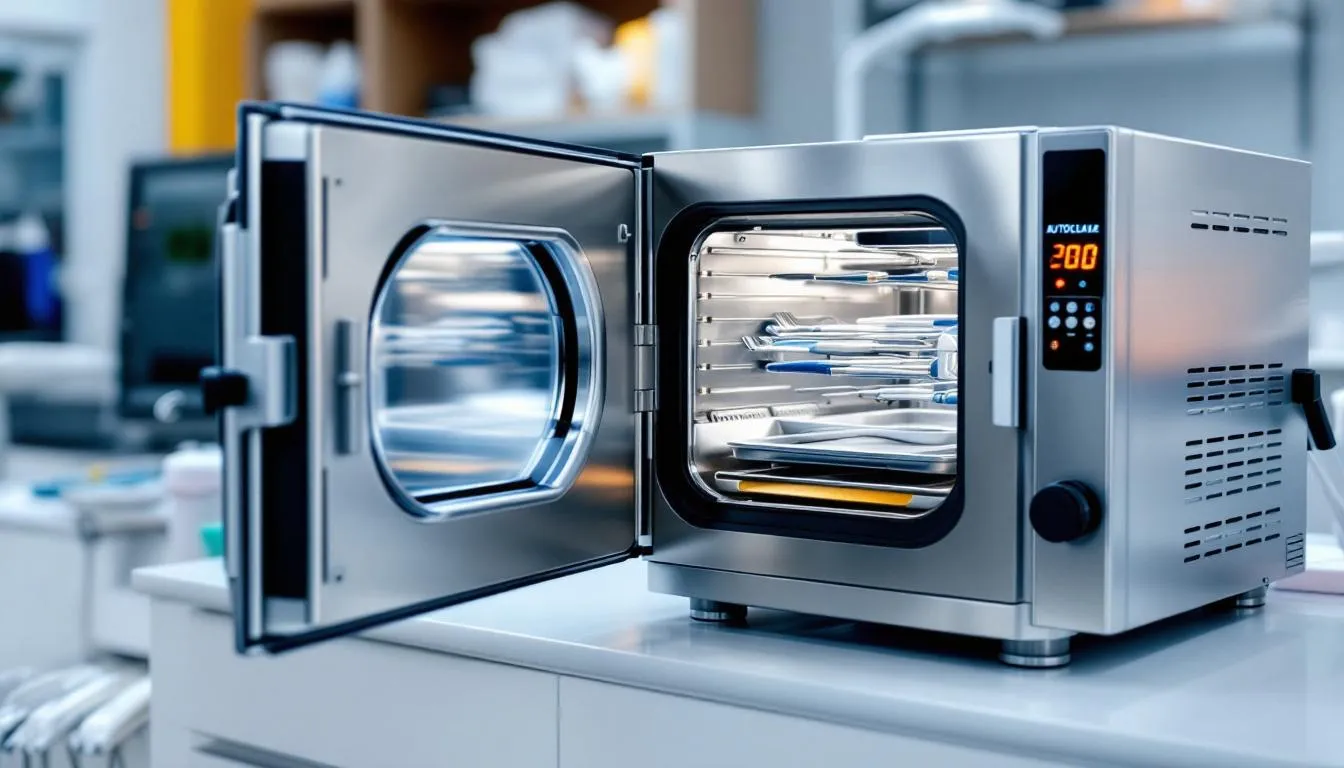
Effective sterilization remains fundamental to safe dental practice, with equipment selection directly impacting compliance with infection control protocols. Modern autoclaves offer advanced features including:
-
Vacuum cycle capabilities for enhanced steam penetration
-
Built-in testing protocols that ensure sterilization effectiveness
-
Digital monitoring systems that maintain detailed cycle records
-
Energy-efficient operation that reduces long-term operating costs
Ultrasonic cleaners complement autoclave sterilization by providing thorough pre-sterilization cleaning of instruments. Look for units with digital timers, temperature control, and degassing functions that ensure optimal cleaning performance.
Patient Positioning and Dental Chairs
Investment in quality dental chairs pays dividends through improved patient comfort, enhanced practitioner ergonomics, and reliable long-term performance. Modern chairs incorporate features such as:
-
Programmable positioning that accommodates different procedures
-
Integrated delivery systems that organize instruments and utilities
-
Easy-clean surfaces that support infection control protocols
-
Patient comfort features including memory foam and ergonomic support
Consider the physical constraints of your practice space when selecting chairs, as well as integration requirements with existing equipment and utility connections.
Imaging and Diagnostic Equipment
Digital imaging has revolutionized dental diagnostics, with systems offering improved image quality, reduced radiation exposure, and enhanced workflow efficiency. X-ray equipment options range from traditional intraoral systems to advanced CBCT scanners that provide three-dimensional imaging capabilities.
Digital sensor systems eliminate film processing requirements while providing immediate image availability and easy storage. When evaluating imaging equipment, consider factors such as image resolution, software compatibility, and integration with practice management systems.
Surgical Instruments and Specialized Tools
Surgical procedures require specialized instruments designed for precision and durability. Quality surgical instruments feature:
-
High-grade stainless steel construction that resists corrosion
-
Ergonomic designs that reduce hand fatigue during procedures
-
Sharp, durable cutting edges that maintain performance over time
-
Easy sterilization characteristics that support infection control
Maintain appropriate instrument inventories to support common procedures while avoiding excessive capital tied up in rarely used specialized tools.
Support Systems and Infrastructure
Reliable compressors and suction systems form the backbone of dental practice infrastructure. Modern systems offer:
-
Oil-free compression that prevents contamination
-
Quiet operation that enhances patient comfort
-
Energy-efficient motors that reduce operating costs
-
Automatic drainage systems that minimize maintenance requirements
Size systems appropriately for your practice’s current needs while allowing for reasonable growth, as undersized systems lead to reliability issues and premature failure.
Consumable Supplies and Materials
Effective management of consumable supplies balances cost control with ensuring adequate stock levels to prevent treatment delays. Understanding product categories and usage patterns helps optimize purchasing decisions and inventory management.
Infection Control Products
The COVID-19 pandemic has permanently elevated the importance of infection control, with patients and staff expecting the highest standards of protective equipment and procedures. Essential infection control products include:
Examination gloves represent the most frequently used protective equipment, with nitrile gloves offering superior chemical resistance and reduced allergy risk compared to latex alternatives. Consider factors such as:
-
Thickness and durability for procedure-appropriate protection
-
Tactile sensitivity that maintains dexterity
-
Powder-free formulations that reduce contamination risk
-
Cost per unit balanced against quality and performance
Masks and face protection have evolved beyond basic surgical masks to include N95 respirators and face shields that provide enhanced protection against airborne particles. Stock multiple types to accommodate different procedures and risk levels.
Surface disinfection products require careful selection to ensure effectiveness against relevant pathogens while remaining compatible with dental equipment surfaces. Look for products with appropriate contact times and broad-spectrum antimicrobial activity.
Restorative Materials and Adhesives
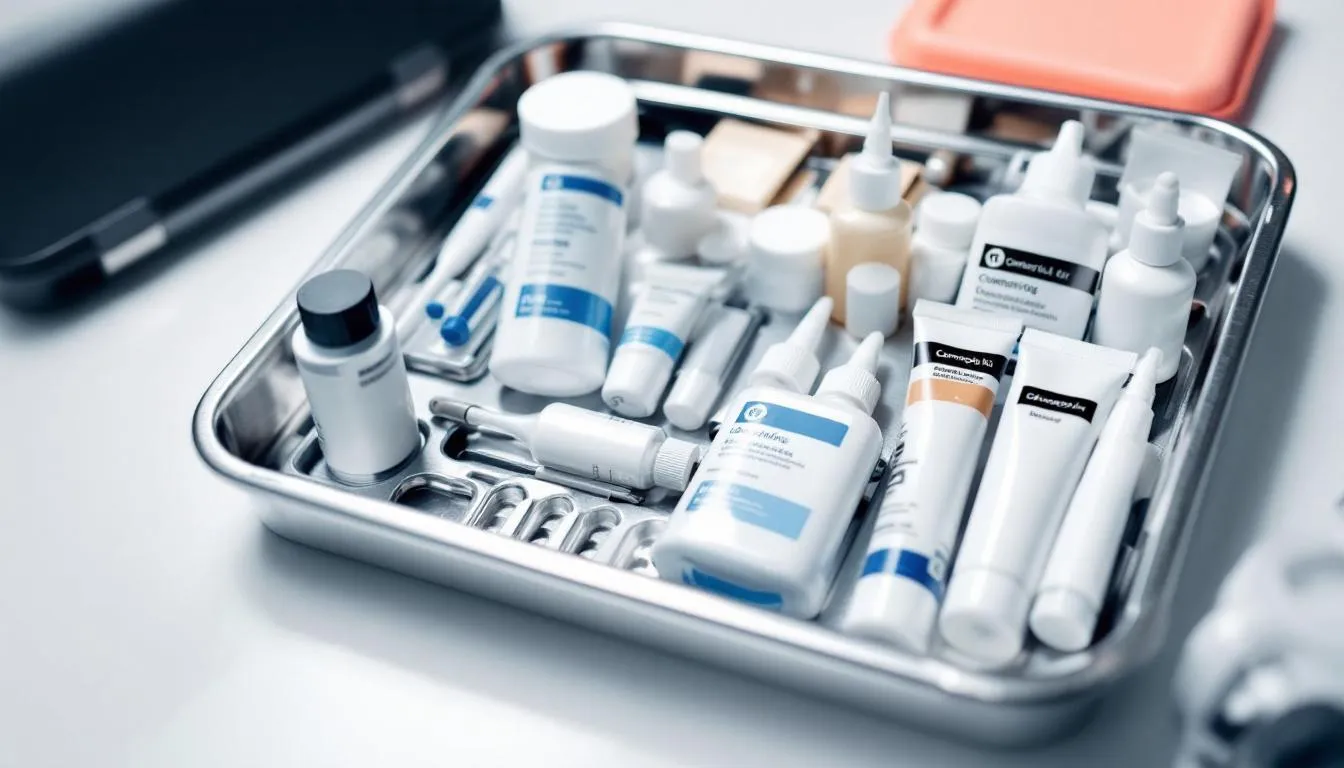
Modern restorative dentistry relies on advanced materials that provide superior aesthetics, durability, and biocompatibility compared to traditional options. Key categories include:
Composite resins have largely replaced amalgam for most restorative procedures, offering excellent aesthetics and conservative preparation requirements. Consider factors such as:
-
Shade matching capabilities for natural-looking restorations
-
Handling characteristics that facilitate placement and contouring
-
Wear resistance for long-term durability
-
Radiopacity for easy radiographic identification
Glass ionomer cements provide excellent biocompatibility and fluoride release, making them ideal for specific applications such as pediatric dentistry and cervical restorations. Modern formulations offer improved aesthetics and handling compared to earlier generations.
Bonding agents have evolved into sophisticated multi-step systems that provide reliable adhesion to both enamel and dentin. Select systems based on technique sensitivity, bond strength, and compatibility with your preferred restorative materials.
Impression Materials and Temporization
Accurate impressions remain critical for successful indirect restorations, with material selection impacting both ease of use and final restoration quality. Options include:
Polyvinyl siloxane (PVS) materials offer excellent dimensional stability and detail reproduction, making them ideal for crown and bridge impressions. Consider viscosity options and working times that match your technique preferences.
Temporary crown materials should provide adequate strength, aesthetics, and easy removal characteristics. Pre-formed crowns offer convenience for posterior teeth, while chairside fabrication materials provide better aesthetics for anterior applications.
Basic Dental Sundries
Routine procedures require various sundries that, while individually inexpensive, represent significant costs when purchased inefficiently. Essential items include:
-
Cotton rolls and gauze in various sizes for isolation and hemostasis
-
Saliva ejectors and HVE tips for moisture control
-
Articulating paper for occlusal adjustment procedures
-
Dental floss and tape for patient education and clinical use
Optimize purchasing by identifying high-usage items suitable for bulk ordering while maintaining reasonable inventory levels for less frequently used products.
Local Anesthetics and Pain Management
Effective pain control forms the foundation of comfortable dental procedures, with product selection based on procedure requirements and patient considerations. Common options include:
Lignospan and Xylocaine represent widely used lidocaine formulations available in various concentrations and with different vasoconstrictor options. Consider factors such as:
-
Onset time and duration appropriate for planned procedures
-
Vasoconstrictor concentration based on patient medical history
-
Buffering capabilities to reduce injection discomfort
-
Cartridge compatibility with existing anesthetic delivery systems
Topical anesthetic gels reduce injection discomfort and should be selected based on effectiveness, flavor acceptance, and ease of application.
Specialized Treatment Categories
Endodontics
Root canal therapy requires specialized supplies including:
-
Rotary and hand files in comprehensive size ranges
-
Irrigation solutions such as sodium hypochlorite and EDTA
-
Obturation materials including gutta-percha and sealers
-
Temporary filling materials for inter-appointment sealing
Stock endodontic supplies based on case volume and complexity, with emphasis on maintaining fresh supplies of time-sensitive materials.
Orthodontics
Orthodontic practices require extensive supplies including:
-
Brackets and bands in various sizes and materials
-
Archwires in progressive sizes and alloy compositions
-
Elastic materials for tooth movement and patient compliance
-
Bonding and debonding materials for appliance placement and removal
Implantology
Implant procedures demand specialized products such as:
-
Implant systems like Adin implants with comprehensive component ranges
-
Surgical instruments designed specifically for implant placement
-
Bone grafting materials for site development procedures
-
Healing abutments and impression components for restoration fabrication
Periodontics and Hygiene
Periodontal therapy requires specialized tools and materials:
-
Scaling and root planing instruments with various tip configurations
-
Ultrasonic systems like EMS units for biofilm disruption
-
Antimicrobial agents for adjunctive therapy
-
Tissue regeneration materials for advanced periodontal procedures
Cost-Effective Purchasing Strategies
Smart purchasing strategies can significantly impact practice profitability while ensuring adequate supply availability. Successful approaches combine volume purchasing advantages with strategic supplier relationships and careful inventory management.
Bulk Ordering and Volume Discounts
Most suppliers offer tiered pricing that rewards larger order quantities, but effective bulk purchasing requires balancing cost savings against storage requirements and product shelf life. Consider these factors:
Storage capacity and organization must accommodate larger quantities without compromising product integrity or creating safety hazards. Climate-controlled storage becomes critical for products sensitive to temperature and humidity fluctuations.
Product shelf life varies significantly across dental supplies, with some materials losing effectiveness over time while others remain stable for years. Focus bulk purchasing on stable products with long shelf lives and consistent usage patterns.
Cash flow implications of larger purchases must be weighed against discount savings. Some practices find success with quarterly bulk orders that balance savings with manageable cash flow impact.
Seasonal Promotions and Strategic Timing
Dental suppliers typically offer significant promotions during specific periods, with savings of up to 25% on selected brands during manufacturer promotional periods. Strategic buyers plan major purchases around these promotional cycles:
End-of-fiscal-year promotions often provide the deepest discounts as suppliers clear inventory and manufacturers meet sales targets. These typically occur in December and March, depending on company fiscal calendars.
Trade show periods frequently coincide with special pricing on new products and demonstrations equipment. Consider attending major trade events for hands-on evaluation and promotional pricing opportunities.
Equipment refresh cycles create opportunities for purchasing demonstration models or previous-generation equipment at substantial discounts while still receiving full warranty coverage.
Financing and Leasing Options
Major equipment purchases can strain practice cash flow, making financing and leasing attractive alternatives that preserve working capital for other needs. Options include:
Equipment financing typically offers competitive rates for practices with strong credit profiles, with terms ranging from 24 to 84 months depending on equipment type and value.
Operating leases provide predictable monthly expenses and often include maintenance coverage, though total costs typically exceed purchase prices over the lease term.
Capital leases combine financing benefits with eventual ownership, offering tax advantages through depreciation deductions while building equity in equipment.
Group Purchasing and Collective Buying
Practices can leverage collective buying power through various group purchasing organizations (GPOs) that negotiate volume discounts on behalf of members. Benefits include:
-
Reduced administrative overhead through simplified ordering processes
-
Enhanced purchasing power that rivals larger practices or dental service organizations
-
Access to exclusive contracts with preferred pricing not available to individual practices
-
Standardized product specifications that simplify staff training and inventory management
Evaluate GPO membership based on annual fees, product selection, and actual savings compared to direct supplier relationships.
Quality Standards and Regulatory Compliance
Regulatory compliance in dental supply purchasing ensures patient safety while protecting practices from liability and regulatory sanctions. Understanding key requirements helps guide supplier selection and product evaluation decisions.
CE Marking and Device Classification
All dental equipment and many consumable materials sold in the UK must carry appropriate CE marking indicating compliance with European medical device regulations. Key considerations include:
Device classification determines regulatory requirements, with Class I devices (such as basic instruments) requiring less stringent controls than Class III devices (such as implants). Verify that suppliers provide appropriate documentation for device classifications.
Notified body certification may be required for higher-risk devices, with certificates providing evidence of third-party verification of safety and performance claims.
Post-market surveillance obligations require manufacturers and suppliers to monitor device performance and report adverse events, making supplier reputation and responsiveness critical factors.
MHRA Registration and Pharmaceutical Compliance
The Medicines and Healthcare products Regulatory Agency (MHRA) oversees pharmaceutical products used in dental practices, including local anesthetics, prescription medications, and certain dental materials. Compliance requirements include:
Wholesale dealer licenses for suppliers distributing prescription medicines, ensuring proper storage, handling, and distribution practices.
Cold chain management for temperature-sensitive products, with documented temperature monitoring throughout storage and transportation.
Batch tracking and recall procedures that enable rapid identification and removal of defective or contaminated products.
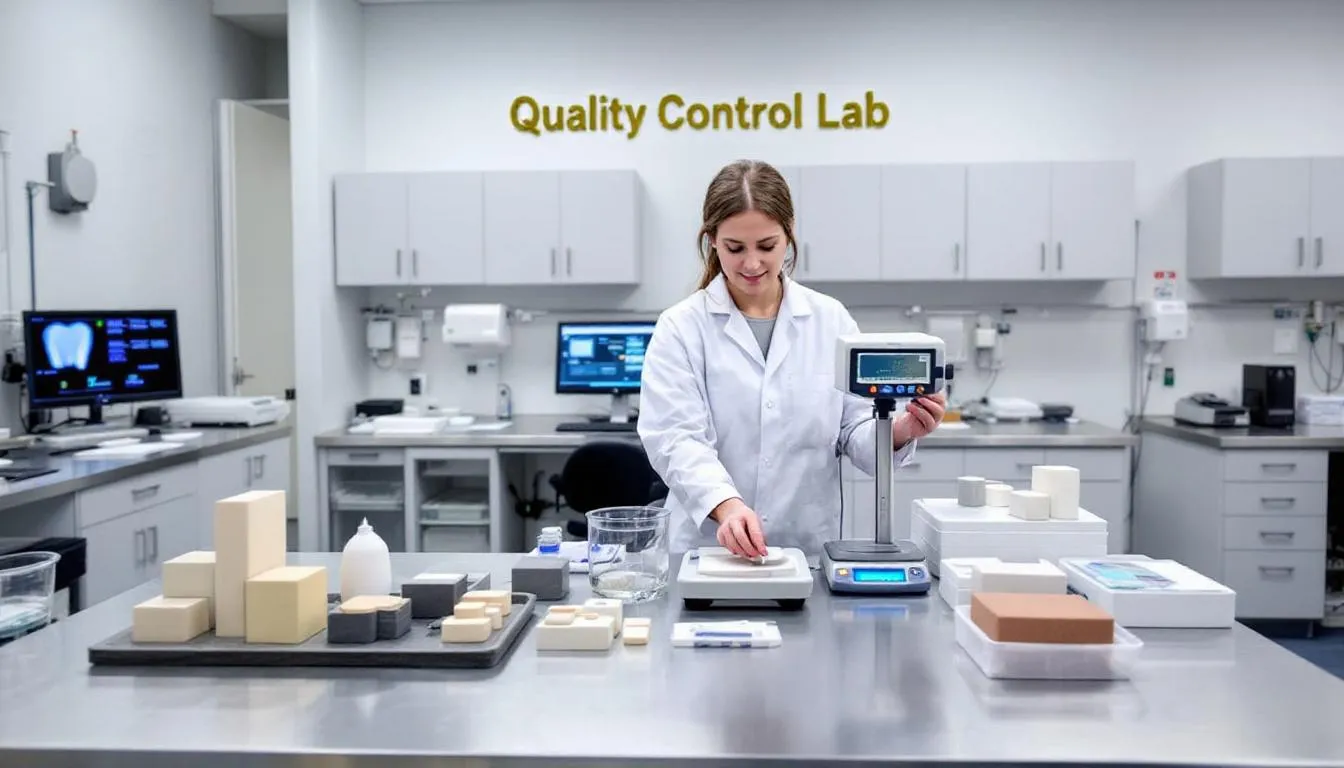
Quality Assurance and Testing Services
Leading suppliers invest in quality assurance programs that exceed minimum regulatory requirements, providing additional confidence in product performance and safety. Look for:
Incoming inspection procedures that verify product specifications and identify defects before distribution.
Environmental testing that confirms product stability under various storage and transportation conditions.
Supplier auditing programs that verify manufacturer quality systems and regulatory compliance.
Certificate of analysis documentation for critical products, providing specific test results and quality verification.
Warranty Coverage and Performance Guarantees
Comprehensive warranty coverage protects practices against equipment defects and performance issues while providing recourse for unsatisfactory products. Evaluate:
Warranty duration and coverage scope, including parts, labor, and service call charges.
Response time commitments for warranty service, particularly for critical equipment that impacts practice operations.
Loaner equipment availability during warranty repairs to minimize practice disruption.
Performance guarantees that ensure products meet specified performance criteria or provide replacement at supplier expense.
Equipment Servicing and Support
Reliable equipment servicing and technical support are essential for maintaining practice productivity and ensuring patient safety. Understanding service options and requirements helps guide equipment purchasing decisions and service provider selection.
Preventive Maintenance Programs
Regular preventive maintenance extends equipment life, reduces unexpected failures, and ensures optimal performance. Effective programs include:
Scheduled maintenance intervals based on manufacturer recommendations and actual usage patterns, with flexibility to accommodate practice scheduling needs.
Comprehensive inspection procedures that identify potential problems before they cause equipment failures or safety issues.
Calibration and performance verification that ensures equipment continues to meet specifications and regulatory requirements.
Documentation and record keeping that demonstrates compliance with maintenance requirements and supports warranty claims.
Emergency Repair Services
Equipment failures can severely disrupt practice operations, making rapid repair response critical for practice continuity. Evaluate service providers based on:
Response time commitments for different equipment categories and failure types, with clear escalation procedures for critical equipment.
Technical expertise and training of service personnel, including manufacturer certification and ongoing education requirements.
Parts availability and inventory management that minimizes repair delays due to parts shortages.
Communication protocols that keep practices informed of repair progress and expected completion times.
Training and Education Support
Complex dental equipment requires proper training for safe and effective operation. Quality suppliers and service providers offer:
Initial training programs for new equipment, including hands-on instruction and written procedures.
Ongoing education opportunities that address advanced features and optimal usage techniques.
Online resources including video tutorials, troubleshooting guides, and frequently asked questions.
Clinical application support that helps practices maximize equipment capabilities and return on investment.
Parts and Component Management
Long-term equipment ownership requires access to replacement parts and consumable components. Consider:
Parts availability timelines and manufacturer commitments to supply replacement parts throughout equipment life cycles.
Inventory management services that monitor usage patterns and automatically reorder consumable components.
Obsolescence planning that provides advance notice of discontinued parts and upgrade options.
Alternative source identification for common wear items and consumable components.
The UK dental supplies market continues evolving rapidly, driven by technological advancement, regulatory changes, and shifting practice patterns. Successful practices develop comprehensive supply chain strategies that balance cost control with quality requirements while ensuring reliable access to essential equipment and materials.
By carefully evaluating suppliers based on product quality, service capabilities, and regulatory compliance, practices can build relationships that support long-term success and optimal patient care. Regular review of purchasing strategies and supplier performance ensures continued alignment with practice goals and market opportunities.
Whether you’re establishing a new practice or optimizing existing operations, investing time in understanding the dental supplies landscape and developing strategic supplier relationships will pay dividends through improved efficiency, reduced costs, and enhanced patient care capabilities. Start by evaluating your current supply chain, identifying areas for improvement, and gradually implementing changes that support your practice’s unique needs and growth objectives.